Showing posts with label growth. Show all posts

Monday, November 3, 2025

Finding Hope Again after a Dark Time


Have you ever had a really tough week? That was this last week for me. I’ve been working long hours, and at the same time I was not feeling well, with this really bad anxiety that I could’ve figure out where it was even coming from. At the same time I’m very new to the area, and all the stresses of ministry, and it all culminated in a very difficult week. I was feeling the strain. I was in tears. And I was wondering, where is God? I kept praying and praying, but the situation didn’t seem to improve. That lasted for a few days, more, a week, a month, and soon you think well, is it going to change ever? Then, something happened. It had been raining each day, everyday, tons of rain, and then the rain stopped, and we saw this beautiful double rainbow appear over the church. It was gorgeous. Beautiful. Glorious even. And others have felt this too, but when I saw it, I knew it was sign from God, that everything was going to be OK.

Now mind you nothing had changed in my situation, I was still tired, overwhelmed, bad anxiety, all of it, and yet I felt a peace come over me, that there was hope, and God was at work, and everything would be ok.

Last week we talked about the dark night of the soul, the rock bottom experience. This was a place of hopelessness, where all seemed lost for a time.

After the dark season, we find ourselves, like the faun in the deep woods, among the autumn trees, panting for streams of water.

Why do certain animals pant? They do so to release heat from their bodies, because they don’t sweat like humans do. This process of panting releases heat by the evaporating of water from the mouth of the animal. But this also causes loss of water, which the animal must eventually replenish.

We’re in Psalm 42 and 43 today, though our modern bible’s separate them into two separate psalms, many Hebrew manuscripts cite them as one psalm together. 

It begins like this, verses 1-2:
"1 As the deer pants for streams of water,
so my soul pants for you, my God.
2 My soul thirsts for God, for the living God.
When can I go and meet with God?"

After the crisis, the dark moment, we find ourselves leveled. We find ourselves damaged, and broken. Like the deer panting, we’ve panted in pain after the struggle. The thoughts have been racing. The tears flowing. The ego has been leveled. Pride has been dealt with.

We’ve been through pain, confusion and heart ache. And it’s given us a surprising gift: We long for God more than we used to. After the bottom, we find ourselves with a stronger desire for God’s presence.

Anything else in life that we used to seek for pleasure seems meaningless, because it was useless during our struggle. The only thing that mattered was God. The struggle was actually a gift. It pushed us closer to God. And that’s exactly where we needed to be.

Thank God for the struggle. Even though, it was unbearable at the time. My soul thirsts for God now. When, how soon can I go meet with him? There is one word that describes this reality of the after the struggle thirst for God. Our topic today is hope.

What is hope exactly?

Here’s how Noah Webster defined hope in his dictionary, in a spiritual sense: “Confidence in a future event; the highest degree of well founded expectation of good; as a hope founded on God's gracious promises”

Hope is the light that first begins to shine in the darkness of our difficulties. Hope is several things. It’s a sense that everything is going to be ok. It’s an emotion of joy or excitement that things will be better. It’s confidence in a brighter future.

Hopelessness, is the opposite of hope. Its talked about in verse 3: "My tears have been my food day and night,
while people say to me all day long,
“Where is your God?”

Tears become as constant as eating meals each day, and people keep saying to him, why isn’t God helping you?

These two things define hopelessness: A situation of ongoing grief, matched with a sense that God isn’t answering.

It’s a terrible place to be as a person. A few times in my life I have felt something similar. I recall when I was battling drinking addiction, I had been to treatment 5, 6, 7 times. And I couldn’t get sober. I would relapse after 30 days, or 4 months, just once I stayed sober 11 months. But I would always relapse. And after 9 years of that, I just gave up hope that I could ever get sober. Many alcoholics I think end up there, they just believe alcohol has them no matter what. And the only escape will be death. Thankfully, when I cried out to Jesus Christ, and asked him to be my savior, suddenly, I was able to stay sober long term because I had a powerful new friend, a higher power to help me through recovery.

I remember the thrill of hope, in the first three weeks of attending recovery groups. I was attending several times a week and I realized suddenly, wait a minute, I haven’t had a drink in 3 weeks! This is a miracle! And it didn’t even take will power, instead, God had removed the issue, as long as I did my part and maintained my spiritual condition.

So the psalm writer here, one of the sons of Korah, is battling hopelessness. He feels so defeated by his situation. But he’s going to begin a process through which he will find hope again.

For me, hope came about because my situation changed. But for many, the situation isn’t going to change right away. For the psalmist, he has to find hope, even though things aren’t changing.

Verse 4 says this: “4 These things I remember
as I pour out my soul: how I used to go to the house of God
under the protection of the Mighty One
with shouts of joy and praise
among the festive throng.”

Theologians believe that this man is in exile while he writes this psalm, far away from the temple of God in Jerusalem.

Notice, he is pouring out his soul. By writing this psalm, he’s pouring out the struggle. Many of us today, we can’t process the struggle because it’s locked inside. We have to let it out to a safe person. We have to write it on paper. We have to get it out of our head and onto paper.

So the psalmist pours out the truth, and then he remembers what he longs for, a time when he would often go to the temple of God, along with others, under God’s protection, with shouts of joy and praise.

Two things here: first of all, he’s remembering a good time, and it’s making him feel sad. Because that good time is gone. And he wants it back. 

Second thing, is it’s also giving him hope to remember this. Because it’s a hint from God, that it could happen again. If he dares to hope and believe.

You ever think back to the good ol' days? It’s fun, it’s also hard. Part of you wants to go back, but part of you knows you can’t.

The psalm writer battles hopelessness. Can my situation ever change?

Verse 5 he says: “5 Why, my soul, are you downcast?
Why so disturbed within me?
Put your hope in God,
for I will yet praise him,
my Savior and my God.”

He is talking to his own soul. He’s talking to himself. Do you ever talk to yourself? The Bible says sometimes we need to speak to ourselves.

"Why are you so down? Why so disturbed?"

"Put your hope in God." It’s an encouragement he’s making to his own soul. It reminds me of the Psalm (103) of David that says, “Bless the Lord, oh my soul.” He’s speaking to his own soul.

Sometimes our hearts just get heavy, and that’s OK for a time. But there comes the moment when we realize, I’ve processed the pain, I’ve shared it, now it’s time to step forward into hope.

Let’s do that right now. Pray this with me, as a word to your own soul, before God.

Prayer: “My soul, I call you in the name of Jesus Christ, to hope in God.”

He longs for the temple. Notice the hope, he declares, “I will yet praise Him.” He’s believing, hoping, knowing, confidently, that a time will come in the future when he will praise God in the temple again.

But the internal battle is not over, it’s just begun. He continues, verses 6:

“My soul is downcast within me;
therefore I will remember you
from the land of the Jordan,
the heights of Hermon—from Mount Mizar."

These lands he speaks of are far from the temple in Jerusalem, the Jordan river, Mt. Hermon, clearly he is far from home, in exile, most likely in unsafe circumstances. But as he travels these far off lands he keeps remembering God.


Similarly, in dark seasons we want to remember God. We want to talk about memories of answered prayer. Memories of times when he delivered us. Memories of times when he helped us. Memories of times when he gave us a breakthrough or taught us something new. These memories are precious. We should write them down, so we never forget. I keep a journal, to document my experiences as a Christian.

It’s the most amazing journey you can take, with the Creator of the universe. There is nothing boring about being a Christian if you’re engaged in the adventure. If you’re just sitting in church on Sunday it will be boring. But if you’re engaged in seeing your life spiritually, praying, in the word, using your gifts, it will be an unbelievable adventure.

And those memories of God’s faithfulness will sustain us through times of hopelessness. They move us back toward hope.

Next, verse 7: “7 Deep calls to deep
in the roar of your waterfalls;
all your waves and breakers
have swept over me.”

In the deep of despair, paradoxically, it produces just as deep a cry to God.

A little prayer with little emotional depth has little value. But a deep cry of the heart, coming from a deep place of despair has huge value.

Before I was a Christian, I could never understand why I needed a savior. But the value of the suffering I went through was priceless, because it gave me the gift to finally understand and cry out, “Lord Jesus please save me!”

The deep despair calls out within us reaching to the depths of God, as a cry for help.

Next, verse 8: “By day the Lord directs his love,
at night his song is with me—
a prayer to the God of my life.”

From the deep despair the cry rings out to God, the darkness shakes with the cry of our heart, and something shifts spiritually.

Verse 8 feels like such a sudden shift. He’s now looking at God, he’s beginning to hope in God again. He sees God’s actions in the world. He’s focused on His Father’s work. By day he sees God’s love at work, at night he is hearing a song within.

You ever have a Christian song come into your mind? Or maybe you wake up with it? Sometimes it’ll be like 7am and I’m humming some hymn I haven’t heard in years.

Then comes prayer to the God of His life. He is remembering the goodness of God and applying it like balm on his soul.

Yet he immediately turns to God with questions:

Verses 9-10: "9 I say to God my Rock,
“Why have you forgotten me?
Why must I go about mourning,
oppressed by the enemy?”
10 My bones suffer mortal agony
as my foes taunt me,
saying to me all day long,
“Where is your God?”

The psalm writer is turning to God directly in the struggle, praying and seeking the Lord’s heart.

Why is this happening?
Why are my enemies oppressing me?
Why must I go about grieved?

It’s important to note that in our lives we will face enemies, difficulties with other people. That’s to be expected. We’ve all faced it before, and it’ll happen in the future. But though we face enemies, it’s always wise to realize who the true enemy is: It’s demons, it’s Satan. Our enemy is not really people, it’s the demons working through those people.

Notice how the psalmist poses questions to God, it’s OK to ask God questions. But always return again to trust in Him, once the questions have been laid before him. Watch for his answers. But always trust.

Next, verse 11: “11 Why, my soul, are you downcast?
Why so disturbed within me?
Put your hope in God,
for I will yet praise him,
my Savior and my God.”

Second time the author speaks to his own soul, again giving the challenge to hope in God.

What struggle are you facing in your life, where you need to return to hope? Even if things don’t work out the way you want, can you still return to hope?

Let us for the second time, call our souls to hope in God: 

Prayer: “My soul, I call you in the name of Jesus Christ, to hope in God.”

This psalm continues into psalm 43, verse 1, says this:
“1 Vindicate me, my God,
and plead my cause
against an unfaithful nation.
Rescue me from those who are
deceitful and wicked.”

Next, the psalmist seeks vindication against his enemies. And we discover the enemy is an unfaithful nation.

Secondly, rescue, he seeks to be rescued from deceitful people.

The psalmist desires vindication and rescue from a situation of exile and lostness. He is in a time of wandering and longs for times of refreshing to come. He knows this can only come from God. He can't make things right, he can't return to Jerusalem, but he knows God can orchestrate events to bring him home, if only he'll trust and wait on Him. 

Next, verse 2 “You are God my stronghold.
Why have you rejected me?
Why must I go about mourning,
oppressed by the enemy?”

God is my stronghold, my safe place. That’s what the scripture says. But then why do I see something contradicting that in front of me?

Sometimes we have to cite God’s word back to him, and say, "Lord your word says this, so please rise up and protect me."

There are periods of time where we could describe it as going about mourning, oppressed. Difficulty is biblical. Victory is also biblical. We can call out the victory, and ask God for it, citing his word back to Him.

Verses 3 and 4 are really the key here:
"3 Send me your light and your faithful care,
let them lead me;
let them bring me to your holy mountain,
to the place where you dwell.

4 Then I will go to the altar of God,
to God, my joy and my delight.
I will praise you with the lyre,
O God, my God.”

This is his desire. This is everything he wants. He’s in exile, living in the mountains and valleys. But he plays out before God what it would be like to be healed, restored, and set right.

He plays it out in his mind, he says Lord send me your light and your faithful care. Light as we’ve talked about, implies a light to our path, to guide us. Like a flashlight at night.

Faithful care implies God leading us down the path personally, that he just lit. That’s what Jesus does for us every day. This light and path he envisions, would lead him toward the presence of God. The altar where man met with God.

It would bring 2 things into his life: Joy and delight.

Then sitting there before the altar, with God, he would play a song on his lyre, joyous, praising, loving, resting in His God’s presence.

He envisions all this to bring hope into his heart. I believe he also envisions this as a prayer request. This can be very powerful in prayer.

Sometimes when I pray for an unsaved loved one, I visualize them in church worshiping God. I want to see it and make it my prayer visually. If I’m praying for someone to be healed I visualize them healed and healthy and strong. This is believing it is already done, which Jesus tells us to do.

Lastly, verse 5: "Why, my soul, are you downcast?
Why so disturbed within me?
Put your hope in God,
for I will yet praise him,
my Savior and my God."

He’s just had this splendid vision of seeing himself coming before God in the temple, but he’s still in the wilderness. Yet He believes it will happen soon. It has become hope, because he is confident, soon he will be right where he longs to be, at the altar, in the temple, in Jerusalem. He can’t see it, yet by all these things he did in this psalm, he has found a place of faithful confident hope. He trusts it will happen.

So one last time he speaks to his own soul, calling out hope. Third time today, we will pray the same.

What situation are you facing? What health struggle? What recent loss? What mental health struggle? What post traumatic stress? Think about it right now, that thing.

Now, despite everything, I want you to pray with me, believing and commanding your soul to hope in God.

Prayer: “My soul, I command you in the love of Jesus Christ, to hope in God again.”

Healing Prayer: Father, we come before you with bitterness from times when we’ve lost hope. But we come to you today confessing this bitterness and depression and discouragement. We repent of these things, we will not live in discouragement or bitterness. Lord Jesus heal our heart bitterness and discouragement we give it to you, into your hands Lord Jesus, replace the hurt Lord, with hope, faithful hope, for we will yet praise you, our Savior and God, in Jesus name we choose hope, Amen.

So at last, like the deer panting for streams of water, our souls hope again. We drink deep of the living water of God, and we are refreshed. Hope takes over again, where there had been only sorrow. Hope reigns in us again. Amen.

Sunday, August 3, 2025

Suffering for the spread of the Gospel


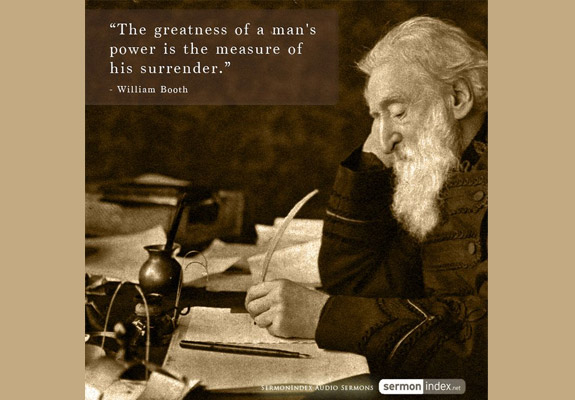
When you look through the pages of history of the church, which is something I love to do, you find so many amazing stories of faith. These stories are so very inspiring, from people like Richard Wurmbrand who suffered under communism in Romania, to Corrie Ten Boom who went through terrible suffering in the Nazi concentration camps, to people like John Wesley who faced such severe opposition, he was kicked out of so many churches or William Booth who had a vision of the lost drowning in the seas and the platform of safety, or Dietrich Bonhoeffer or so many others. They were people who trusted in their God, and their God did amazing things through them. When we read their stories, it inspires us to trust more fully in our God. But, what we must always remember is that part of each of their stories, indeed central to each of their stories, is pain and difficulty.

We admire people like Daniel, from the Bible, because he really did endure a night in the Lion’s den. We admire Elijah because he dared to believe that God would send fire from heaven to consume the sacrifice in front of the false prophets of Baal. We admire Stephen because he spoke so boldly in front of a mob, that then picked up stones and killed him moments after he finished speaking.

I think we all intellectually understand that part of the Christian life involves suffering. But, it’s different when we’re in the suffering. We wonder, what is going on? Where did this come from? Why is this happening?

And for many of us those questions have led us to prayer, and more prayer, and deep prayer and honest crying out. And the result has often been, that as we pray and seek God honestly, something begins to carry us through the suffering. And we bear it, with grace. A grace we didn’t expect, and couldn’t conjure on our own.

Today, I believe we’re going to learn about the grace available in suffering in particular, for the spreading of the gospel. 

I think that when we simply accept that it is going to be painful, and embrace that, we will find that fear loses it’s power over us when it comes to sharing our faith with others.

Our scripture today says, in 1st Peter 3:13-14 “Who is going to harm you if you are eager to do good? 14 But even if you should suffer for what is right, you are blessed.”

There are different kinds of suffering in life.

First, there’s the suffering because we made a bad decision. I’ve done this with me and my wife. We cook something, and we start to eat it, and realize, oh wait, this meat tastes funny. My wife stops eating, I don’t. I made it, I’m eating it. It smells good, and I’m hungry. Even though it tastes weird, I keep eating. And then the next day I’m sick. Basic suffering for being stupid.

Second, suffering because people are stupid. Chelsey and I were leaving Walmart about 2 weeks ago. And there was a ton of traffic, and the intersection ahead of me was jammed, but, it trapped the guy behind me in a spot where someone couldn’t get past him. So as he went by me later he did some unique hand signs with his fingers. I became upset, and it caused some suffering for me, albeit small. 

Third, suffering for Jesus. This is when you suffer because you’re a Christian. This is when you do something like risk a relationship to speak up about something in your friend’s life. You share the gospel with someone and they mock you. You go out and witness to people for hours and you get home emotionally exhausted. It's small, but it's still a gift of suffering for Jesus. 

Our suffering is often small in comparison to the greats throughout human history who even gave their lives for their testimony about Jesus. But hey, start small, if you can get out there with your faith, and share the message of truth, and you suffer as a result in some way, you should be excited.

Because to share in the sufferings of Jesus is a noble and beautiful thing. It’s something richly rewarded in heaven. Rejoice if you are mocked like Jesus was mocked. There is in fact a special crown in heaven for those who endure persecution for their faith, it’s called the crown of life.

Second portion of verse 14: “Do not fear their threats; do not be frightened.”

Do you struggle with fear in your life? I know I do. I think many people do. They secretly battle a lot of fear.

I know I’ve struggled with some fear in my life.

Fear can be so paralyzing. If we allow it to get out of control, it can control us, and keep us from sharing our faith openly.

Are you afraid to share your faith with others? Or are you pretty bold and open about Jesus?

For me it all depends on the day. Some days I feel quite bold, other days I just want to hide away and be by myself.

The Lord has encounters written for us, across this city. People you are meant to slow down and minister to. Every single one of you are called to it. 

How do you know when though? When does God want me to act? You will sense a nudging from the Lord.

And he will call you forward to serve someone, in some way. This is really what we’re going to focus in on.

Are you open to God’s openings? We won’t be able to engage in every encounter God has for us. We’re human. We make mistakes. We miss things. We get busy. And the Lord has told me, "Justin I will always forgive if you miss an encounter with someone."

But I don’t want to miss any more encounters.

Watch for these encounters in your life. They are treasure. They are stories you will tell and retell. They are opportunities.

And if every one of you began to see your life that way, and you were watching for nudgings from God, we’d come back here in a week, and 15 of you would have stories where you encountered someone and you blessed them in some way.

And as the weeks go by, hundreds of encounters would happen, and each of those encounters would slowly bring this city closer and closer to Jesus Christ.

Three tips for these encounters:

The first thing to remember, is to slow down and watch for opportunities. We get going so fast as Americans, we miss opportunities. Slow down in your life and watch for "God moments." 

The second, is to see this world as a mission field that you are called to.

Third, understand small things are actually big things. If you can strike up a conversation with someone, whether it’s the waitress at the restaurant, or someone in line at the grocery store, or someone walking on the beach, God can do a lot with those openings.

Fourth, be bold. Recite this scripture over your life, "The righteous are as bold as a lion." Pray for boldness, God will help you. 

One encounter at a time. It can be with family, it can be with friends, it can be with neighbors, it can even be with strangers.

How many of you are willing to put your relationships on the line for Jesus? How many of you are willing to invite your friends and family to church even though you might appear to be one of “those religious people?” How many of you are willing to walk up to a stranger and give them the gospel?

We need something in all this that we can only get from Jesus himself. We need holy boldness. The scriptures say the righteous are as bold as a lion.

I wonder if, when Peter wrote this, he wasn’t thinking about the incident in Acts 4, where Peter and John were arrested by the religious leaders and told to stop speaking about Jesus.

And after being released, Peter and John met with the church and they prayed for boldness, they prayed to God saying, “Now, Lord, consider their threats and enable your servants to speak your word with great boldness.” -Acts 4:29

Next, it says: "15 But in your hearts revere Christ as Lord."

Sanctify the Lord God in your heart. Regard God as holy. Reverence Him. Look to Jesus. Look at Jesus.

He is your God. Worship Him. Trust Him. Reverence Him. Submit to Him. Yield to Him. Surrender yourself entirely to Him.

He will give you everything you need. He will help you. He will carry you. Look at Jesus. Ignore the fear, and look at Jesus.

I think it’s asking yourself the question, “Is Jesus Christ really my God?” Is he really in charge of my life? Or do I live for myself?

That’s the first portion, look to Jesus. Second portion, be prepared.

It says, verse 15: “Always be prepared to give an answer to everyone who asks you to give the reason for the hope that you have. But do this with gentleness and respect”

Explain the gospel: Jesus is the Son of God. He came and lived a perfect life. He taught the truth. He died a sacrificial death to cover over all my sins with his blood. He rose from the grave. He is a living savior. He will change your life. Make him the Lord of your life. Jesus will save you from your sins.

If you’re not comfortable giving a gospel presentation like that, go to your testimony. We all have a testimony. Write down the main events of your story, if you haven’t ever done that. And in the future, I’m going to be challenging many of you here, to come forward at a service in the future, and give a 5 minute testimony of how God changed your life.

A simple testimony.

It’s simple. Tell the story. For me, after my parents divorced, I got into drinking and drugs, got into trouble, and became increasingly depressed, until I was suicidal. My grandpa who had recently become a Christian, invited me over, and gave me my first Bible. He shared about the love of Jesus, and how Jesus had died for me. I asked him hard questions. He didn’t have all the answers. I rebelled more. But slowly began reading the Bible, and I connected with the story of Jacob’s ladder. I watched the gospel of John movie over and over, until I finally realized, wait a minute, I need Jesus. And at rock bottom, I got on my knees, and I cried out and said Jesus please help me. His presence came upon me. And he led me on a journey into recovery, healing, and ministry. He saved me, he can do the same for you.

My story is wild, but your story is just as important ,it doesn’t have to be wild, it can be, “I was longing for something more, and a friend invited me to church, and I found out about how much Jesus loves me.” That’s just as powerful and probably more relatable to most people.

Do you have your testimony memorized, in your back pocket? If not, write it down, rehearse it, and then you’ll be ready.

Do all this with gentleness and respect.

If someone is rude to us, we can still be gentle and respectful. Also, if someone is resistant, I try to take a step back, and just listen. And kind of let them talk themselves out. Honestly, once they feel heard and respected, they are more willing to listen. So, even if they are snarky, if you can stop yourself from getting upset, and just listen with kindness, it may actually help win them over.

Next, verse 16: “...keeping a clear conscience, so that those who speak maliciously against your good behavior in Christ may be ashamed of their slander.”

Keeping a clear conscience is very important. If on the one hand I have this great testimony and I’m sharing the word with people, but at the same time there’s things in my life that speak a contrary word, it’s going to undercut what I say.

So it’s wise to deal with our sins, and clear them out. Repent of them. Ask Jesus for help to be free. We have the Holy Spirit, so we can expect to find healing and victory over anything that might upset our Christian witness.

At the same time don’t bully yourself, or abuse yourself with shame, accept that where you’re at is where you’re at, and God is doing something beautiful. And understand many sins are stuck because healing is needed, not because you’re a bad person. Invite God to do a healing journey in your life.

Next, verse 17: “For it is better, if it is God’s will, to suffer for doing good than for doing evil.”

Peter reminds us again here, that is good to suffer for doing God’s will. But I think it’s wise, he mentions the concept of God’s will. I write a Christian blog, I have for about 12 years. Many times I would challenge young people on my blog to take up their places of ministry in the body of Christ, start websites, start podcasts, become ministry leaders, start businesses, and so on. But, I regret this for one reason: I never properly instructed them to do so only if it’s God’s will.

That’s something we all should learn as Christians. Often times we jump into something because we personally want it. But that isn’t how we should operate. We should always check with God, and ask Him, is this your will?

Next, Peter points us to the example of Christ, verse 18: "For Christ also suffered once for sins, the righteous for the unrighteous, to bring you to God. He was put to death in the body but made alive in the Spirit.”

What Christ did, his crucifixion, effectuated for you, a complete process, of bringing you from total disconnection from God, to connected. His death accomplished this.

Jesus paved a literal trail of blood to bring you from abandoned to adopted by God. A trail of blood brought you home. Is it so much for us to pave a trail to bring the lost to the feet of Jesus? There is no blood involved in that. Only some sweat and some tears. Jesus gave so much more! 

When we minister to someone, we are helping bring them to Jesus, who will then bring them to God, if they allow Jesus to do so. Our task is to be the ambassador, who brings them to Jesus. If they choose to say yes or no, is none of our concern. We’ve been faithful to show them Jesus.

Next, verses 19-21: "19 After being made alive, he went and made proclamation to the imprisoned spirits— 20 to those who were disobedient long ago when God waited patiently in the days of Noah while the ark was being built. In it only a few people, eight in all, were saved through water, 21 and this water symbolizes baptism that now saves you also—not the removal of dirt from the body but the pledge of a clear conscience toward God."

There is a lot there, but suffice to say, we’re getting a picture of baptism. That when we are saved by Jesus, one of the benefits we receive is the washing away of all our sins. This gives us a clear conscience.

Lastly, verse 22, Peter concludes his gospel presentation, which began with bringing us to God, through baptism, and now to the resurrection.

It says, “It saves you by the resurrection of Jesus Christ, 22 who has gone into heaven and is at God’s right hand—with angels, authorities and powers in submission to him.”

Jesus did not stay dead, he could not be our savior if he did. He is alive. He is in heaven, with all authority under Him.

As you engage in the task of spreading the gospel in this community, sharing your testimony, and bringing people to this church, know that Jesus Christ will be with you always.

All authority belongs to Him. By the power of His name, you shall be victorious.

Keep taking everything to that seat of authority. Bathe everything in prayer. If you ever give someone a tract, or share your story with them, or invite them to church, always pray for them after the encounter, when your at home or in your car.

One more thing: Expect the supernatural. Peter and John prayed for a man who couldn’t walk, and suddenly he was leaping and praising God, and this incident sparked everything else in Acts 4. One of the main ways our message goes out is through the demonstration of the power of Christ in healing and miracles. So expect for Jesus to use you and your prayers to bring healing and even miraculous events.

This is going to be a message that I harp on week in and week out, as we grow together as a family, your job is to spread the gospel, to evangelize your city. Have that mindset. Ask Jesus for help and boldness, and you shall succeed.

Think back to the legends we discussed at the beginning of the message. Wurmbrand, Ten Boom, Booth, Daniel, Stephen they suffered for Jesus, because they stop talking about Jesus. None of them did exceedingly complicated things, they simply obeyed the Bible and spoke up boldly. And we regard them as the greats. But they were just average people like you and me. In the great halls of faith, here we come to our hall, the hall of faith for our city, our nation, our time on Earth. By some simple actions by you, in obedience to the word, you become part of the hall of faith, of those who spoke up for Jesus. Pray about it. Make a plan. Then go out and do it.

Monday, January 16, 2023

A Man after God's Own Heart: David's Early Life as a Shepherd

  
We’re going to examine the life of the one of the great historical figures, a man named David. If there’s one person I want to mimic in my devotion to Christ it’s David. He is the prime example from the Old Testament of a godly man, a man the Bible says, was a man after God’s own heart.

There are many ways to examine scripture, we can look at it from a historical perspective, from a devotional approach, but for this series we want to look directly at the character of David himself, and how he responded to the story God had playing out for Him. And it wasn’t an easy journey for David. He had a hard life.

David starts off as the youngest of many brothers. Probably often forgotten. Often

1st Samuel 16: 11-13 And he said, “There remains yet the youngest, and there he is shepherding the flock.”

Then Samuel said to Jesse, “Send and bring him, for we will not sit down until he comes here.”

12 So he sent and brought him in. Now he was ruddy with beautiful eyes and a good appearance.

And the Lord said, “Arise, anoint him, for this is he.”

13 Then Samuel took the horn of oil, and anointed him in the midst of his brothers. And the Spirit of the Lord came on David from that day forward. So Samuel arose and went to Ramah.”

David was anointed as the king of Israel as a young man, and that would define his life for many years. He was a young king in exile. Because technically Saul was still king. But Saul had displeased God. And so God would slowly work in David’s life to bring him to the seat of the throne. Which is our first point today, God may appoint you to something before you’re actually there. It’s in your future, but God has already declared it over you. Now you’ve got to wait until it comes to pass in the real world, and that takes time, and patience. One of the core aspects of David’s character was patience, an ability to wait well.

Does that define you as well? Are you good at waiting?

Notice in verse 13, as soon as Samuel anointed David, it says the Spirit of the Lord came upon David, and stayed with him from that day on.

Next it says in 1st Samuel 16, “4 Now the Spirit of the Lord departed from Saul and an evil spirit from the Lord terrified him.

15 So the servants of Saul said to him, “See, an evil spirit from God troubles you. 16 Let our lord now tell your servants, who are before you, that they might seek out a man experienced in playing the lyre. And it will come to pass, when the evil spirit from God is on you, that he will play with his hand, and you will be well.”

17 Saul said to his servants, “Find me now a man that can play well, and bring him to me.”

18 Then one from the servants answered, and said, “I have seen a son of Jesse the Bethlehemite, who is experienced in playing music, a mighty man of valor, a man of battle, and skillful in words, even a man of fine appearance. And the Lord is with him.”

19 Therefore Saul sent messengers to Jesse, and said, “Send me David your son, who is with the sheep.”

Second point, God is the one who will bring about turns and twists in events to get you where you need to be. Don’t try to force it on your own, or figure out how it will happen.

Does it say that David incessantly worried about what events he needed to try to make happen so he would end up on the throne of Israel? No. Because David knew God would make it happen. And sure enough, David played the harp. And God made sure the right person noticed him playing the harp, who was an advisor to King Saul, and just like that, David ended up face to face with the King of the country.

That’s point number two, you need to trust God to make it happen even if it seems impossible. Faith. That’s trust and faith. And also linked to patience. Trust God to orchestrate events to make things work out the way they should, not necessarily the way you want them, but the way they should.

In verses 21-23 “David came to Saul, and stood before him. And Saul loved him greatly and he became his armor bearer. Saul sent to Jesse, saying, “Let David stand before me, for he has found favor in my sight.”

23 It happened that when the evil spirit from God came on Saul, David would take the lyre in his hand and play. So Saul was refreshed and was well, and the evil spirit departed from him.”

Thirdly, not only does God arrange for Saul and David to meet like this, but God arranges Sauls response to David to be very positive, where he senses God’s spirit with Him, and David is then hired on as an the armor bearer for King Saul. He now has direct access to the throne room, he’s in with the king’s court, he’s favored by the king, and God has him on His way toward his destiny. All of it orchestrated by God.

David did the foot work, he went when he was called, played his instrument, followed God, and the Spirit of the Lord abided in Him. He let God be in control, and simply walked the path, as God set things up in His favor.

Patience. He waited many years, I’m sure knowing in his heart he was meant for something more. And God brought it to pass, and yet at soon as he was anointed another season of waiting began. Patience.

Secondly, faith, David didn’t try to manipulate or control events, he let God be God. He had trust, that God would bring it to pass. He simply trusted and waited, and God orchestrated events to bring him in.

Thirdly favor, God made sure as David walked in faith, that he would find special favor with Saul, and Saul would hire him on.

Patience, Faith, and Favor. Just like David we want to live with those sort of characteristics, which are ours in Christ jesus our savior. He brings them out in us. Which is amazing. Let’s walk in that way today. God bless you.

Sunday, June 26, 2022

Living in Step with the Spirit: How to Know the Will of God


"It was Christmas Eve 1875 and Ira Sankey was traveling on a Delaware River steamboat when he was recognized by some of the passengers. His picture had been in the newspaper because he was the song leader for the famous evangelist D.L. Moody. They asked him to sing one of his own hymns, but Sankey demurred, saying that he preferred to sing William B. Bradbury's hymn, "Savior Like a Shepherd Lead Us." As he sang, one of the stanzas began, "We are Thine; do Thou befriend us. Be the Guardian of our way." When he finished, a man stepped from the shadows and asked, "Did you ever serve in the Union Army?" "Yes," Mr. Sankey answered, "in the spring of 1860." Can you remember if you were doing picket duty on a bright, moonlit night in 1862?" "Yes," Mr. Sankey answered, very much surprised. "So did I, but I was serving in the Confederate army. When I saw you standing at your post, I thought to myself, 'That fellow will never get away alive.' I raised my musket and took aim. I was standing in the shadow, completely concealed, while the full light of the moon was falling upon you. At that instant, just as a moment ago, you raised your eyes to heaven and began to sing...'Let him sing his song to the end,' I said to myself, 'I can shoot him afterwards. He's my victim at all events, and my bullet cannot miss him.' But the song you sang then was the song you sang just now. I heard the words perfectly: 'We are Thine; do Thou befriend us. Be the Guardian of our way.' Those words stirred up many memories. I began to think of my childhood and my God-fearing mother. She had many times sung that song to me. When you had finished your song, it was impossible for me to take aim again. I thought, 'The Lord who is able to save that man from certain death must surely be great and mighty.' And my arm of its own accord dropped limp at my side."
-K Hughes, Liberating Ministry From The Success Syndrome, Tyndale, 1988, p. 69.

It reminds me of how many times I nearly died in the past, and yet God kept me alive, he preserved my life, because he knew he had called me by name to his service. And for many of you today, God has guided you through a thousand different troubles and difficulties to bring you to this place today.

That is who our God is, he is a redeeming God. He preserves our lives so we may bring him glory.

Today our topic is living life in step with the Holy Spirit.

Our scripture today is from Galatians 5:16-26 (NLT) which says, “So I say, let the Holy Spirit guide your lives. Then you won’t be doing what your sinful nature craves. 17 The sinful nature wants to do evil, which is just the opposite of what the Spirit wants. And the Spirit gives us desires that are the opposite of what the sinful nature desires. These two forces are constantly fighting each other, so you are not free to carry out your good intentions. 18 But when you are directed by the Spirit, you are not under obligation to the law of Moses.

19 When you follow the desires of your sinful nature, the results are very clear: sexual immorality, impurity, lustful pleasures, 20 idolatry, sorcery, hostility, quarreling, jealousy, outbursts of anger, selfish ambition, dissension, division, 21 envy, drunkenness, wild parties, and other sins like these. Let me tell you again, as I have before, that anyone living that sort of life will not inherit the Kingdom of God.

22 But the Holy Spirit produces this kind of fruit in our lives: love, joy, peace, patience, kindness, goodness, faithfulness, 23 gentleness, and self-control. There is no law against these things!

24 Those who belong to Christ Jesus have nailed the passions and desires of their sinful nature to his cross and crucified them there. 25 Since we are living by the Spirit, let us follow the Spirit’s leading in every part of our lives. 26 Let us not become conceited, or provoke one another, or be jealous of one another.”

If we are truly Christians today, we are led practically by the Holy Spirit. The holy Spirit is God himself living inside of us and showing us the way to go through life. He guides our decisions. He convicts us of sin. He encourages us when we are troubled. And he reveals God’s will to us.

So to walk in step with the Holy Spirit is to live out the will of God. To walk in step with the Spirit we must have a deep relationship with God. Then we can know God’s will.

Romans 12:2 (ESV) give us a good hint. It states "Do not be conformed to this world, but be transformed by the renewal of your mind, that by testing you may discern what is the will of God, what is good and acceptable and perfect."

The will of God can be understood as something we can discern. The scriptures urge us to "test" to discover what the will of God is.

It also says in Ephesians 5:17 (ESV), "Therefore do not be foolish, but understand what the will of the Lord is."

The Holy Spirit within will reveal God’s will to us for our lives. That is clear. We can know God’s will. We may not know all the details. But we can know God’s will for us.

Hebrews 10:36 (ESV) For you have need of endurance, so that when you have done the will of God you may receive what is promised.

As Hebrews 10:36 says, we have great need of endurance. To do the will of God means to endure the journey of faith in Christ, one day at a time. It's not always easy. But with God, all things are possible.

What do we say about a man or woman who is an inspiration to us in their dedicated faith? For me, I would say that person is one who is led by the Spirit of God.

Similarly Romans 8:24 (NIV) says "For those who are led by the Spirit of God are the children of God."

The will of God seems to be linked to the guidance of the Holy Spirit.

John 14:26 says "But the Advocate, the Holy Spirit, whom the Father will send in my name, will teach you all things and will remind you of everything I have said to you."

For all followers of Jesus Christ, those who have truly been reborn and embrace the new life... the will of God is that we obey God. The will of God is that we incorporate the teachings of the Bible intently upon our souls, until we think in biblical terms and live in biblical terms. The will of God is that followers of Jesus Christ be led by the Spirit given by Christ.

How can we be lead by the Spirit?

1. We listen for the leading of the Spirit.

2. We pray to the Lord for guidance.

3. We study the scriptures.

4. We love God and our neighbors.

5. We share the gospel.


That is how we follow the Spirit.

The will of God for the non-believer is simple: Come to Christ for life. Call on Jesus for life.

The will of God encompasses many areas... justification, sanctification, and perseverance. The will of God the Father is that we first come to Jesus Christ. His death on the cross is something called "penal substitutionary atonement." We believe and know, that Jesus Christ took the penalty for our sins on the cross. He paid the price that we should've endured. God's will is that we come to his son for life and accept that offering. Second, God's will is our sanctification. Sanctification is the process by which we grow into a flourishing follower of Jesus being made into a better and better person in measures of selflessness, love, caring for the poor, serving the needs of others, and sharing the gospel with the unsaved.


Sunday, March 13, 2022

The Journey of Progressive Sanctification: 7 Aspects of Growth toward Maturity


Join me now on the open seas, we're hovering over the waters and we're seeing a row boat, with a man rowing slowly toward a bright light. The boat is wooden, sturdy, but small. And it rows steadily. This is you, beginning your journey with Christ. Now we flash many years into the future, and we see another boat, this one is a giant battleship. It has hundreds of crew. It has anti-air guns, deck guns, turrets, depth charges, hull armor, a bridge, engineering sections, crew quarters, and many other abilities and functions.  It's a dedicated, strong, powerful tool of warfare. This warship is you, as a mature Christian, living in the world for Jesus. Which one are you? Where are you at in your journey? Perhaps you're just starting out. Maybe you're further along. Maybe you're a battleship right now. But in any case, the journey from row boat to battleship is what we call the journey of progressive sanctification.

Today we’re talking about sanctification. It’s a big theological sounding word, however, it’s meaning is fairly simple, sanctification is the process by which we are conformed to the image of Christ.

In other words, sanctification is our growth process in Christ, as we live our lives. It’s how God changes us. This is done by God in us, and we respond by cooperating in the process. God builds us, molds us, shapes us, and does beautiful things in us. And God has many tools he uses to do this. Good times, hard times, ,blessings, difficulties, and on and on.

The truth is for each of you right now God is doing many, many, many different things in your life, to make you more like Jesus.

So today we’re talking about 7 ways God builds us through the process of sanctification.

First of all, when talking about the growth process God takes us through, it’s important to understand that God’s goal is to make you more and more refined as a Christian.

We’re like metal that has impurities in. And when you heat up the metal, you can clear out the impurities, and the metal becomes more pure.

Similarly, it’s like you’re an apple tree, or a grape vine. And you bear fruit for God’s kingdom. Maybe you serve others, give people food, help people with repairs in their house, or lead a bible study, or pray for others regularly. That’s what we call “bearing good fruit.”


Now, God picks that beautiful fruit, and then he prunes us. And the goal of the pruning is that the vine or apple tree would produce even more fruit next season.

Jesus describes this in John chapter 15 in the parable of the vine. Our job in that parable is to remain in Christ, and to bear much fruit. Jesus is the vine, and the Father is the pruner.

Point number 2, God builds us and grows us through difficulties. I think you all know this one, I’ve said it about a million times. God builds us primarily I think through various difficulties.

Many of these difficulties test our faith. Many of these difficulties will build various parts of our personality. One trial or struggle may increase our patience. Another trial may expand our trust in God. Another trial may increase our compassion toward people who are suffering. Still another difficulty may grow our faith. Another helps us to better learn to endure in hard times. It’s all a powerful process by which God is making us better Christians each day.


God does that through difficulties. As it says in James 1:2 “Count it all joy, my brothers, when you meet trials of various kinds, for you know that the testing of your faith produces steadfastness. And let steadfastness have its full effect, that you may be perfect and complete, lacking in nothing.”

And that’s a key to having the peace and joy of Christ at all times, we should actually count it a good thing when we go through trials.

But I want to add one more thing here, our response to a trial or difficulty, can be good or bad. In a trial, it can push us closer to God, where we seek God in the trial, and draw closer to Him. But if we aren’t trained by the trial, it can be bad as well. Maybe instead of drawing near to God in the difficulty, we start to doubt God, and curse God, and get angry with God because he’s allowing it. That’s a trap we can fall in, so watch out for that. Respond by running to God, not away from Him.

Point number 2, part b, God builds us through good times as well. A blessing, a happy day, a good time, sweet fellowship, a wonderful feast, time with family, a vacation, God often uses all these things to build us in different ways.


A beautiful moment, overlooking a glorious green valley in summer, it grows us by reminding us of God’s beauty.

Spending time with our wife, or husband, or family, teaches us how to love, and helps us to yearn for even more love in the future.

Enjoying a meal with a friend teaches us about God’s love for us, and his love for people.

Yes, difficulties build us, but blessings can also build us. A loving marriage can teach us and train us. Children can teach us and train us. A beautiful home can teach us and train us.

But once again, let’s add this caveat: It’s important how we respond to a blessing. Because once again we can respond one of two ways: We can respond by thanking God, and ascribing it as a gift from God. Or we can become arrogant and start to think, oh I did this myself. Good times, wealth and prosperity, can be dangerous to a person or a society, because we can start to take things for granted, and we can start to think it came from our brilliance instead of from God’s grace. Always thank God, and ascribe it as coming from God. Then the credit stays where it belongs, with God. Pride is a danger, don’t let it into your heart. Stay humble, give God all the glory.

Point number 3, would you like to skip some difficult trials and tribulations? That would be nice wouldn’t it? Yes it would. Then you should read God’s word. Study it diligently, underline it and highlight it in your Bible. And then take it off the page and put it into practice. Particularly, I would point you to the book of Proverbs, which is all about wisdom for right living.


See you could be foolish, and then you’ll blunder into all sorts of troubles and addictions and bad situations. Or you could become a wise person by studying Proverbs, and the entire bible, and then putting it into practice. Then instead of blundering into a bad relationship, you’ll seek God first and know it’s not from God. Instead of overeating you’ll know from God’s word to use proper moderation. Instead of getting into fights you’ll know proverbs says to keep control of your temper. And you’ll live a wise life, and avoid all sorts of difficult trials. Because you’ve been made wise by God’s word.

Point number 4, sanctification is about progressively surrendering more and more of ourselves to God over time.

Or this can be a moment when we surrender everything over to God. Often when we sing, we sing, “I surrender all, to you oh Lord.” This is great wisdom, to turn it all over to God.


A common slogan is “Turn it over to God.” This I think is also wise. Simply turn every problem, every concern, every issue in our lives over to God. What does this mean? This means to surrender our control over the issue, and to place control over the issue in God’s hands.

There is a balance here. We live the problem with God completely. I place my concern with weight loss in God’s hands. I don’t have control. God has control of it. Now, as God leads me, I dutifully respond. So it’s in God’s hands, and God indicates, join a gym, and go 3-4 times a week. Very good, then I do that.

Now some people will surrender it to God, and then refuse to do anything when God tells them. They surrender their marriage problem to God, great, but God tells them to be more forgiving. And they say no. They keep accusing their spouse. So nothing changes.

Another issue is, the person keeps control of the issue, and then tries to fix it with their own ideas. That generally doesn’t work, sometimes it might, if it’s a minor issue. But our own ideas don’t tend to work that well for most issues. So we need to make sure we’ve placed the issue in Gods hands, and then we’re responding to God’s guidance, while leaving the issue under God’s control. Hope that makes sense.

Then as we leave things in God’s hands, and grow, we find ourselves a vessel through which God can work on a daily basis. Like it says in 2nd Timothy 2:21 ESV “Therefore, if anyone cleanses himself from what is dishonorable, he will be a vessel for honorable use, set apart as holy, useful to the master of the house, ready for every good work.”

Point number 5, let’s talk about repeating loops. A repeating loop can happen when we have been through a trial, but we refuse to learn what we’re supposed to learn from the trial. Or we may just not have noticed what God was wanting us to learn. Then, unfortunately, we can get caught in a repeating loop. A repeating loop is just like it sounds, maybe the issue we face is alcoholism, I was in this loop for years. The loop goes something like this, get drunk for many weeks, months, eventually the hang overs and blunders lead to consequences, we lose a relationship, we get arrested, we lose a job, or something, then we realize there is a problem, we see the problem, we acknowledge it, and attempt to change it. So maybe we try to go cold turkey off the drink, but it’s so tempting, we relapse back onto the drink. The loop begins again, it gets progressively worse over time, we experience consequences, we hit a rock bottom, we seek help, we acknowledge the problem, we try to quit some other way, it doesn’t work, the loop repeats.


It doesn’t have to be something as flashy as alcohol or drug addiction. It can by lying. Or manipulating others. It can be refusing to deal with a health issue. It can hoarding, not cleaning properly. It can be sexually acting out. It can be keeping God second in our lives. And the loop will keep repeating, until we allow God to bring us out of the loop.

As it says in, “"As a dog returns to his vomit, so a fool repeats his folly”

Additionally, if you want to see repeating loops, look at the books of 1st and 2nd kings and chronicles. The loop of sin repeats over and over, sadly. Thankfully, if we cry out to Jesus, he can and will deliver us from any repeating loop we are stuck in.

Point number 6, the effects of prolonged sin. Suppose as a Christian we are practicing repeating sin of some kind. Sometimes we do struggle with sin in our lives as Christians. But we always turn to God, ask forgiveness in Christ, and keep going in the right direction.

But what happens if we start moving in the wrong direction, away from God? This does happen from time to time with Christians. And the pattern that I’ve noticed happens something like this: They are walking well with Christ. They stumble into a sin. They repent. They stumble again into that sin. This time they don’t repent, they continue in the sin. And as they continue in it, it gives birth to disillusionment and cynicism.

The Bible says it this way in Psalm 7:14 “Whoever is pregnant with evil conceives trouble and gives birth to disillusionment.”

So as they persist in sin, they become increasingly cynical about the church. They think oh the church is so judgmental. I don’t like them they’re hypocrites. And we begin to justify and rationalize our sin. We gather around others who sin in that same way, sexually, or lying or whatever it is. And they begin to repeat to us that this sin isn’t a sin, it’s really ok, and just fine. And we began to appear at church less and less. We stop praying. We stop reading our Bible. And in the end, we fall away, we reject the faith, maybe we even share our de-conversion story on YouTube or Facebook live or whatever, and we share how we came to believe Christianity was false and wrong and bad. And it all started with a sin, that we slipped into, and instead of repenting right away, we started to lie to ourselves, or believe the lies of the enemy, that this sin was ok. And it led us to ruin, to shipwrecked faith, as Paul said in 1st Timothy 1:19 “Cling to your faith in Christ, and keep your conscience clear. For some people have deliberately violated their consciences; as a result, their faith has been shipwrecked.”


Now can a person who followed this path turn again to Christ? That is something I’m not certain about. Because it says in Hebrews, “It is impossible for those who have once been enlightened, who have tasted the heavenly gift, who have shared in the Holy Spirit, who have tasted the goodness of the word of God and the powers of the coming age and who have fallen away, to be brought back to repentance. To their loss they are crucifying the Son of God all over again and subjecting him to public disgrace.” -Hebrews 6:4-6

But it also says in James 5:19-20 19 My brothers and sisters, if one of you should wander from the truth and someone should bring that person back, 20 remember this: Whoever turns a sinner from the error of their way will save them from death and cover over a multitude of sins.”

So maybe there is still hope for that person. Only God knows.

Last point, point number 7, something we theologically refer to as “entire sanctification.” What this means, is that we have come to a point of Christian maturity.

We have become genuinely who we are called to be in Christ. And it’s consistent. We walk in it everyday, as we pass through this wicked world. We serve the needy. We pray and fast. We study our Bibles diligently. We are truly led by the Holy Spirit of God. We are utterly dedicated to Christ. Christ is seen in our lives. We live yielded to God in everything. We are humble and meek. We share the gospel regularly. We give tithes and offering. We are a real Christian who really lives for Jesus.

That is a beautiful thing to behold. A truly mature, entirely sanctified Christian is a humble hero of the faith. And it’s something God has done in them. It’s not of their own making. The journey doesn’t end there though. It goes on, there are always new things to learn, new roads to travel, new experiences to learn from, but fundamentally this mature Christian is on fire for Jesus and living for Him. And it’s wonderful.

Paul wrote in 1st Thessalonians 5:23 ESV “Now may the God of peace himself sanctify you completely, and may your whole spirit and soul and body be kept blameless at the coming of our Lord Jesus Christ.”

And the author of Hebrews wrote, Hebrews 10:14 “For by that one offering he forever made perfect those who are being made holy.”

And again in Philippians 1:6 “And I am sure of this, that he who began a good work in you will bring it to completion at the day of Jesus Christ.”

Praise God. So the question is, where are you at in this journey? What is God doing in your life? And how can you continue to grow toward true maturity in Christ?

Sunday, January 2, 2022

4 Key Points for Christian Growth in 2022


“Elizabeth Elliot tells of two adventurers who stopped by to see her, all loaded with equipment for the rain forest east of the Andes. They sought no advice, just a few phrases to converse with the Indians. She writes: "Sometimes we come to God as the two adventurers came to me -- confident and, we think, well-informed and well equipped. But has it occurred to us that with all our accumulation of stuff, something is missing?

She suggests that we often ask God for too little. We know what we need--a yes or no answer, please, to a simple question. Or perhaps a road sign. Something quick and easy to point the way. What we really ought to have is the Guide himself. Maps, road signs, a few useful phrases are things, but infinitely better is someone who has been there before and knows the way.”

Elizabeth Elliot tells, A Slow and Certain Light.

Today we’re talking about the topic of Christian growth. What does it look like? How do we go about practically growing? Growth is all about becoming all we’re called to be in Christ. God has changed us into new people. He’s declared us holy in Christ, yet there is also this process of sanctification we go through, where slowly over our lives we become more and more like the character of Christ. And we learn to live like Christ did on the Earth, as we prepare for his return.

The first scripture I’d like to point you to today is 2nd Peter 1:2-4 ESV which says,

“May grace and peace be multiplied to you in the knowledge of God and of Jesus our Lord. His divine power has granted to us all things that pertain to life and godliness, through the knowledge of him who called us to his own glory and excellence, by which he has granted to us his precious and very great promises, so that through them you may become partakers of the divine nature, having escaped from the corruption that is in the world because of sinful desire.”

When we talk about growth we quick to want to focus on ourselves, aren’t we? We think alright, I gotta make sure I have all my gear, like the two adventurers headed into the rainforest. Do I have my self help book, my to do list, my fad-diet, my determination, my self will, my abilities. And so on and so forth. We look to ourselves to grow.

But that is not what it means for a Christian to grow. A Christian instead of looking to self, or self-taught ideas, or dragging ourselves ahead by our own bootstraps, instead we look to Christ. We learn about Christ. We turn the focus off of ourselves and onto Christ, and helping others.

We seek first His kingdom and His righteousness. And as a result, all of our needs are cared for by Him.

But what we do, as our footwork, is follow the Leader. We allow the Holy Spirit to lead us through the wilderness. We allow Jesus to lead us through the wilderness. We seek answers in prayer. We go to the guide. How do we do that? By praying. By reading our Bibles daily. By doing morning devotionals. By attending Bible study, and church services. There we encounter the Lord, and are filled, and guided in the right direction through our journey in the wilderness.

So that’s my first point for you today, follow Jesus as you live out Christian growth. Let Christ be the leader of your growth process. He brings us from one issue to another, as he shapes us and molds us into His likeness.

As Christians we often start small, just very basic changes in our lives, but over time those changes become great, and our journey becomes great.

Job 8:7 ESV says, “And though your beginning was small, your latter days will be very great.”

Then again, also, as a Christian, we can start well, but sometimes starting well is the easy part, and the hard part is continuing well. We see many who start well, but they never finish. They end up drifting away. Perhaps they didn’t count the cost of being a disciple? It will cost us everything.

Galatian 5:7 says, “You were running the race so well. Who has held you back from following the truth?”

The Galatians had started off so well, but they quickly became led astray by false teachers. Let’s make sure we start well, but also continue well. And let’s make sure know that though our beginning may be small, often our latter days will be very great.

So let’s take a look at 4 key points about Christian growth. What does Christian growth look like?

1. It’s messy. Yes, growth is a messy process - Often time we mess up and stumble again and again and again. And we have to keep returning to Christ, seeking His grace. But eventually we find our break through. So we have to be patient in growth. Have you ever felt stuck in your walk with Christ? Stuck on a sin? Stuck in a negative place? Then perhaps something needs to change. Something big. The Bible says it’s better to cut off our hand and throw it away, than with two hands be found in sin, and cast into the lake of fire.

Matthew 5:30 “And if your right hand causes you to stumble, cut it off and throw it away. It is better for you to lose one part of your body than for your whole body to go into hell.”

Failure does happen, persistence is required. Keep going. Keep praying. Keep seeking God. Keep repenting. Turn away from sin, and toward Christ. He will help us.

2. It’s stressful, involves pressure, taking risk - Change can be very stressful. And it involves pressure. We often wonder, why am I going through this fiery trial right now? And the answer is Christian growth.

It says in the word, “Through him we have also obtained access by faith into this grace in which we stand, and we rejoice in hope of the glory of God. More than that, we rejoice in our sufferings, knowing that suffering produces endurance, and endurance produces character, and character produces hope, and hope does not put us to shame, because God's love has been poured into our hearts through the Holy Spirit who has been given to us. For while we were still weak, at the right time Christ died for the ungodly.” -Romans 5:2-6 ESV

3. It’s Putting the Flesh to Death – Colossians 3:5 ESV “Put to death therefore what is earthly in you: sexual immorality, impurity, passion, evil desire, and covetousness, which is idolatry.”

We must put the flesh to death by the Spirit’s power, in christ. And we have the promise that says the power of the blood of Christ will do this in us.

It says in Hebrews 9:14 ESV “How much more will the blood of Christ, who through the eternal Spirit offered himself without blemish to God, purify our conscience from dead works to serve the living God.”

We know that our flesh was crucified with Christ, but sometimes our flesh wants to pop back up and have it’s way right. I want pleasure. I want this. I want that. Selfishness pops up, that’s why I have to repeat to myself the word from

Galatians 2:20 ESV I have been crucified with Christ. It is no longer I who live, but Christ who lives in me. And the life I now live in the flesh I live by faith in the Son of God, who loved me and gave himself for me.”

This is all a process. It’s not just one and done. We often have to keep putting the flesh to death and living for the Spirit. It starts over for me everyday. Every 24 hours, new day, live by the Spirit, not the flesh.

4. It’s Living by Faith not by sight – We see mountains often in front of us, and our call is to live by faith not by sight. We have prayer requests and hopes, but we see the same old thing day by day, our job is to live by faith not by sight. Living by faith is believing and understanding and knowing the reality of God’s sovereignty his total control and ability to affect change, and also believing that He will. That is faith. And we live by faith, not by sight. Because we’ve seen the evidence time and again, in our lives, that God moves mountains, they disappear into thin air, our minds can’t comprehend it, our cynical pessimistic attitudes burst into flames and can’t believe what they’re seeing when God makes the way, and we walk on dry ground where there was once a flood. And it’s incredible. And it happens. Our job is to keep believing.

In conclusion today, my prayer for you today is this:

2 Peter 3:18 ESV But grow in the grace and knowledge of our Lord and Savior Jesus Christ. To him be the glory both now and to the day of eternity. Amen.


Sunday, September 5, 2021

Endurance through Struggles: The Final Victories of Paul's Ministry


“In ancient Rome, crowds by the tens of thousands would gather in the Colosseum to watch as Christians were torn apart by wild animals. Paul Rader, commenting on his visit to this famous landmark, said, "I stood uncovered to the heavens above, where He sits for whom they gladly died, and asked myself, 'Would I, could I, die for Him tonight to get this gospel to the ends of the earth?'" Rader continued, "I prayed most fervently in that Roman arena for the spirit of a martyr, and for the working of the Holy Spirit in my heart, as He worked in Paul's heart when He brought him on his handcuffed way to Rome." Those early Christians "lived on the threshold of heaven, within a heartbeat of home, no possessions to hold them back." -Our Daily Bread.

The Apostle Paul lived on the edge of death, that’s for sure. As he traveled from here to there, throughout his ministry he planted many churches. Some say he planted up to 20 churches in different cities. We know for certain that he planted the church at Ephesus. He faced constant difficulties and persecution. And today we focus in on Paul’s final, grand trial, in which he would glorify God in numerous ways.

The last seven chapters of the book of Acts, about one fourth of the entire book of Acts is dedicated to documenting the great spiritual struggle that Paul faces at the conclusion of his journey in serving Jesus.

He has already faced incredible levels of persecution and suffering for the cause of Christ. More than any of us could dream of. But now he faces his last great struggle, which is a wild and incredible series of events, to say the least.

Each of our lives will one day tell a great story. The ups, the downs, the victories, the defeats, it’s all there. And the Lord whispered to me a few weeks back, that my victories and my defeats, over the last few years, have been shared by more than I know. Heaven’s forces care about our lives and what we go through. That’s comforting I think.

On judgment day, when you stand alone before a loving, holy God who is about to judge your life, what will the pages of your book say? How did you glorify God in your trials and in your journeys? Did you really live for Him or did you live for yourself, with Him tagged on the side? For some of us, judgment day may be the worst day of our lives, when we find out we never really knew Jesus, and that sitting in church just wasn’t enough. And we’ll be sent to hell.

For some of us, that day when we’re judged, will be the best day of our lives, because it will confirm at last that yes, we followed Jesus, yes, we believed in Jesus, and yes we knew Jesus and He knew us. And we will be welcomed into paradise, with the words, “Well done good and faithful servant.”

That has been on my heart lately. Judgment day, that one day, is the one day we should all be preparing for. It should be on our minds, that we will one day have to give an account. And we should prepare carefully by living close with Jesus, with great faith in Jesus, serving God with fear and trembling.

It’s interesting, as Paul went about his mission year after year, eventually the Holy Spirit began to speak to him about the coming great trial he would face. It says in Acts 20:23, Paul speaking, ““I only know that in every city the Holy Spirit warns me that prison and hardships are facing me.” -Acts 20:23

And again in Acts 21, a prophet spoke to Paul, from Acts 21:10-11, “While we were staying there many days, a prophet named Agabus came down from Judea. He came to us, took Paul’s belt, tied his own feet and hands, and said, “This is what the Holy Spirit says: ‘In this way the Jews in Jerusalem will bind the man who owns this belt and deliver him into Gentile hands.’”

Sometimes the Holy Spirit will tell us that something is coming our way, whether good or bad, whether trial or victory. Watch for that.

Paul knows he has to return to Jerusalem.

His fellow believers urge him not to go, since he knows that trouble awaits him there. But he knows that it’s God’s will, so he goes.

He returns home. This is his home city, Jerusalem. He grew up there, from what we can tell, and he’s now an outsider, because of the Jesus movement he’s joined. But he’s determined to win as many Jews as he can to Christ.

In Acts chapter 21:27-28 it says, “When the seven days were nearly over, some Jews from the province of Asia saw Paul at the temple. They stirred up the whole crowd and seized him, shouting, “Fellow Israelites, help us! This is the man who teaches everyone everywhere against our people and our law and this place. And besides, he has brought Greeks into the temple and defiled this holy place.”

It says that the entire city was aroused against Paul, you’ve got serious spiritual warfare going on here. Hundreds and thousands of people are growing into a mob against Paul and the other believers.

Eventually some Roman troops come and arrest Paul. But Paul requests permission to address the mob. And the commander gives permission.

And this gave Paul permission to share his testimony about how Jesus changed his life. And he does. He shares about the Damascus road when he saw the vision of Jesus and how Ananias came and baptized him. Then he gets to the part of his story when God called him to preach the gospel to non-Jews. And this makes the crowd go crazy, remember these are all Jews who think of gentiles as evil and unclean. So the mob goes totally out of control again.

So the Romans take Paul away, and then order the assembly of the leaders of Israel, the Sanhedrin, and bring Paul before them. And once again, this is the Holy Spirit using persecution to bring forward the gospel. So once again, Paul has the opportunity to speak to the Jewish leaders. A great dispute results in the Sanhedrin between the Sadducees and Pharisees, and once again Paul is taken away by the Romans.

It says in Act 22:11, "The following night the Lord stood near Paul and said, “Take courage! As you have testified about me in Jerusalem, so you must also testify in Rome.”

A plot is formed in Jerusalem to murder Paul, but it’s stopped before it can be carried out. So the Roman commander sends Paul to Caesarea to be examined by governor Felix. This begins two years of Paul being imprisoned by the Romans, and brought before various leaders and kings and judges, where Paul gets the chance to speak for Jesus again and again. Finally after all this mischief, Paul appeals to Caesar himself to get justice in his imprisonment.

So Paul is sent to Rome. On his journey, they are shipwrecked, and all sorts of crazy stuff happens, they end up on the island of Malta, then travel by ship 3 months later, and finally arrive at Rome. In Acts 28, we hear about how Paul is under house arrest in Rome, but is having many opportunities to preach the gospel to the people around the city who are curious about him and his situation.

Now during this time, and the years Paul would spend in prison and house arrest, Paul would write many of the new testament letters, like Romans, Ephesians, Galatians, Colossians, 1st and 2nd Corinthians and so on. And these today are our love letters from the Lord, inspired by the Holy Spirit and written by Paul himself. Many were probably written while he languished in prison, and he might’ve wondered, what good am I able to do locked away in prison? Little did he know he was writing the new testament that we study today to know God! Amazing! He was reaching billions for Christ, but he didn’t even know it at the time. Sometimes our circumstances can be deceiving.

Who knows if Paul knew that his death was near? We don’t really know. But we do know that God guided him safely into the heavenly kingdom. Paul died, he was probably martyred for the faith. But he came safely into paradise. That is our goal as well.